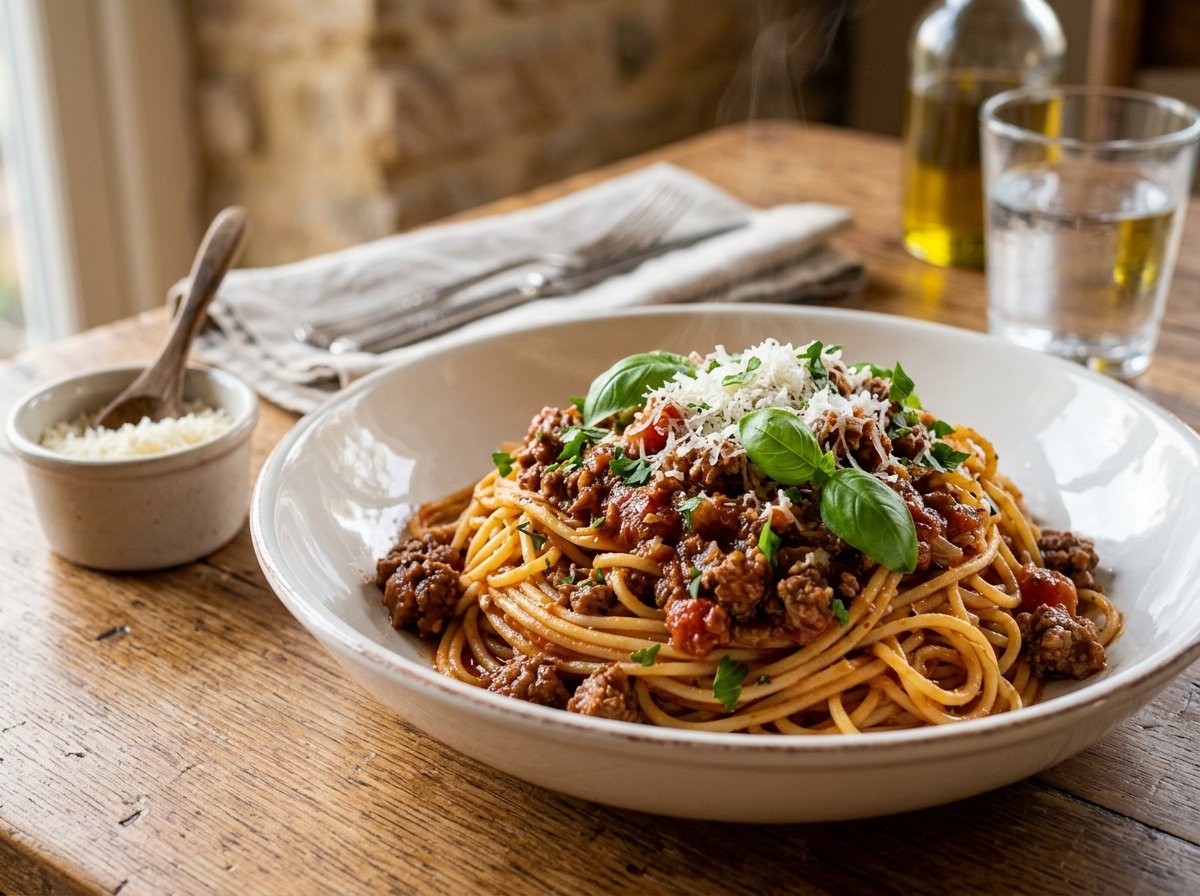
Classic Spaghetti with Homemade Meat Sauce
Few meals are as comforting, satisfying, and universally loved as a bowl of classic spaghetti with homemade meat sauce. Tender spaghetti coated in a rich tomato sauce, seasoned ground beef, garlic, onions, and Italian herbs makes this an easy dinner that feels both familiar and special. Best of all, you do not need complicated ingredients or advanced cooking skills to make a delicious homemade spaghetti dinner.
This classic spaghetti with meat sauce recipe is perfect for busy weeknights, family dinners, casual gatherings, or meal prep. The sauce can be prepared in advance, and its flavor becomes even better as it simmers. Serve it with freshly grated Parmesan cheese, warm garlic bread, and a simple salad for a complete Italian-inspired meal.
Why You’ll Love This Classic Spaghetti Recipe
Homemade spaghetti with meat sauce is one of those recipes worth keeping in your regular dinner rotation. It is affordable, filling, easy to customize, and made with simple pantry staples.
- Easy to prepare: The recipe uses straightforward cooking techniques and everyday ingredients.
- Rich and flavorful: Slowly simmered tomatoes, herbs, garlic, onions, and beef create a deeply satisfying sauce.
- Family-friendly: The mild seasoning can easily be adjusted for children or anyone who prefers less spice.
- Great for leftovers: The sauce stores well and can be reheated for another meal.
- Easy to customize: You can add vegetables, mushrooms, extra herbs, or even use ground turkey instead of beef.
Ingredients for Classic Spaghetti with Meat Sauce
For the best results, use good-quality tomatoes and freshly grated Parmesan. You can also adjust the herbs and seasonings according to your taste.
For the Meat Sauce
- 1 pound ground beef
- 1 tablespoon olive oil
- 1 medium yellow onion, finely chopped
- 3 cloves garlic, minced
- 1 can (28 ounces) crushed tomatoes
- 1 can (14 ounces) tomato sauce
- 2 tablespoons tomato paste
- 1 teaspoon dried Italian seasoning
- 1 teaspoon dried oregano
- 1/2 teaspoon dried basil
- 1/2 teaspoon salt, or to taste
- 1/4 teaspoon black pepper
- 1/2 teaspoon sugar, optional
- 1/2 cup water or beef broth
- Fresh parsley or basil for garnish
For the Spaghetti
- 12 ounces spaghetti
- Water for boiling
- 1 tablespoon salt for the pasta water
For Serving
- Freshly grated Parmesan cheese
- Fresh basil or parsley
- Crushed red pepper flakes, optional
- Warm garlic bread, optional
Choosing the Best Ground Beef
Ground beef provides the savory foundation of the sauce. A moderately lean ground beef works especially well because it contains enough fat to add flavor without making the finished sauce excessively greasy.
If you prefer a lighter version, lean ground beef can be used. Ground turkey or ground chicken are also good substitutes. Keep in mind that leaner meats may benefit from a little extra olive oil and seasoning to maintain a rich flavor.
How to Make Classic Spaghetti with Homemade Meat Sauce
Step 1: Prepare the Ingredients
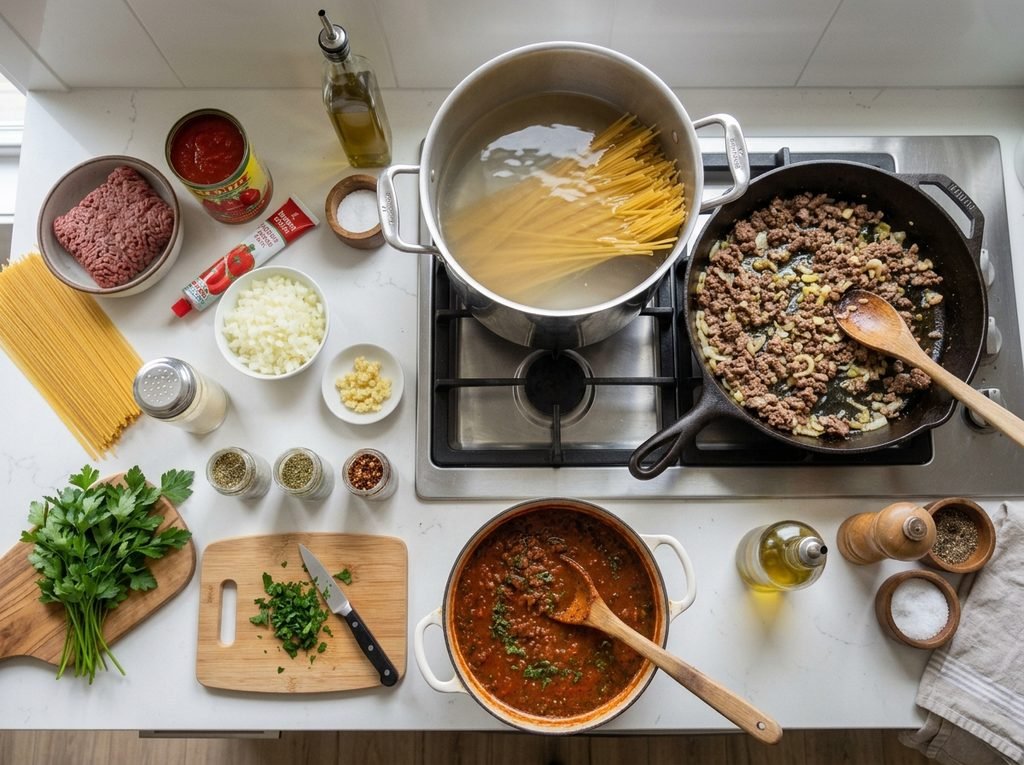
Before you start cooking, chop the onion, mince the garlic, and measure the tomatoes, tomato paste, herbs, and seasonings. Preparing everything ahead of time makes the cooking process easier and helps prevent ingredients from burning while you search for the next item.
Bring a large pot of water to a boil for the spaghetti, but wait to add the pasta until the sauce has had some time to develop its flavor.
Step 2: Brown the Ground Beef
Heat a large skillet or heavy-bottomed saucepan over medium-high heat. Add the olive oil, followed by the ground beef.
Break the beef into small pieces using a wooden spoon or spatula. Cook for approximately 5 to 7 minutes, stirring occasionally, until the beef is browned and cooked through.
Do not rush this step. Properly browning the meat creates flavorful browned bits that become part of the sauce.
If there is a large amount of excess fat in the pan, carefully drain some of it before continuing. Leaving a small amount behind helps maintain the sauce’s rich flavor.
Step 3: Cook the Onion and Garlic
Add the chopped onion to the browned beef and cook for about 3 to 4 minutes, or until the onion begins to soften.
Add the minced garlic and cook for another 30 to 60 seconds. Garlic cooks quickly, so avoid letting it become dark brown or burnt.
At this point, the kitchen should already start to smell rich and savory.
Step 4: Add the Tomato Paste
Stir the tomato paste into the beef and onion mixture. Cook it for about 1 to 2 minutes.
This small step makes a noticeable difference. Cooking tomato paste briefly helps deepen its flavor and removes some of its raw tomato taste.
Step 5: Add the Tomatoes
Pour in the crushed tomatoes and tomato sauce. Add the water or beef broth and stir everything together.
Scrape the bottom of the pan with your spoon to loosen any browned bits left behind from cooking the beef. These flavorful bits help make the sauce taste richer and more developed.
Step 6: Season the Meat Sauce
Add Italian seasoning, oregano, dried basil, salt, and black pepper. If the tomatoes taste particularly acidic, you can add a small amount of sugar.
Stir the sauce thoroughly and bring it to a gentle simmer.
Avoid boiling the sauce aggressively. A gentle simmer allows the flavors to combine gradually while reducing excess liquid without making the sauce taste harsh.
Step 7: Let the Sauce Simmer
Reduce the heat to low and partially cover the pan. Allow the meat sauce to simmer for at least 20 to 30 minutes, stirring occasionally.
If you have more time, simmering the sauce for 45 minutes or longer can produce an even deeper flavor. Just keep an eye on the consistency and add a small splash of water or broth if it becomes too thick.
As the sauce simmers, the tomatoes become sweeter and more concentrated while the herbs blend into the beef and tomato mixture.
How to Cook Spaghetti Properly
While the sauce is simmering, cook the spaghetti according to the package directions. Bring a large pot of water to a full boil and add salt.
Once the water is boiling, add the spaghetti and stir during the first minute to prevent the strands from sticking together.
Cook the pasta until it is al dente, meaning it is tender but still has a slight firmness when you bite into it.
Before draining the pasta, reserve about 1 cup of the starchy pasta water.
This cooking water can help loosen the sauce and improve the way it coats the spaghetti.
Combining the Spaghetti and Meat Sauce
Drain the spaghetti without rinsing it. Rinsing removes surface starch that helps sauce cling to the pasta.
You can serve the spaghetti and sauce separately, but for better flavor distribution, consider tossing the pasta directly with some of the meat sauce.
Add the drained spaghetti to the sauce and gently toss until the strands are evenly coated. If the sauce feels too thick, add a small splash of reserved pasta water and continue tossing.
Serve immediately with freshly grated Parmesan and chopped fresh basil or parsley.
Tips for Making a Rich and Flavorful Meat Sauce
Do Not Skip Browning the Beef
Simply cooking ground beef until done is not the same as properly browning it. Let the beef develop some color before stirring too frequently. Browning creates savory flavors that make the finished sauce much more satisfying.
Use Tomato Paste for Depth
Tomato paste provides concentrated tomato flavor and gives the sauce a fuller body. Cooking it briefly with the beef before adding the tomatoes makes it taste less raw and more complex.
Give the Sauce Time to Simmer
Although you can make this recipe relatively quickly, the sauce benefits from gentle simmering. Even an additional 15 to 20 minutes can make the flavors taste more integrated.
Taste Before Serving
Tomatoes can vary in sweetness and acidity, so always taste the sauce before serving. Adjust the salt, pepper, herbs, or a small amount of sugar if necessary.
Common Mistakes to Avoid
- Using too little salt in the pasta water: Properly seasoned pasta water helps flavor the spaghetti from the inside.
- Overcooking the spaghetti: Soft, mushy pasta can make the entire dish feel heavy.
- Skipping the simmer: A quick tomato sauce can taste sharper and less developed.
- Burning the garlic: Burnt garlic can make the sauce bitter.
- Making the sauce too watery: Allow it to simmer uncovered or partially covered until it reaches the desired consistency.
- Using too much sauce at once: Add enough sauce to coat the pasta generously without completely drowning it.
Easy Variations
This classic recipe is an excellent starting point, but you can easily change it to suit your preferences.
Vegetable-Loaded Meat Sauce
Add finely diced carrots, celery, bell peppers, zucchini, or mushrooms along with the onion. The vegetables add texture, nutrients, and natural sweetness.
Spicy Spaghetti
Add crushed red pepper flakes while cooking the garlic and onion. Start with a small amount and increase it according to your preferred level of heat.
Extra-Herby Sauce
For a stronger Italian-inspired flavor, add additional oregano, basil, or fresh parsley. Fresh herbs can be stirred in near the end of cooking to preserve their aroma.
Turkey Spaghetti
Replace ground beef with ground turkey for a lighter alternative. Because turkey is generally leaner, use enough olive oil and season the sauce well.
What Makes Homemade Meat Sauce Better?
The biggest advantage of homemade meat sauce is control. You can adjust the salt, acidity, herbs, texture, and level of richness according to your preferences.
Unlike many ready-made sauces, homemade sauce also allows you to build flavor in layers. Browning the meat, cooking the onion and garlic, lightly caramelizing the tomato paste, and simmering the tomatoes each contributes something different to the final dish.
The result is a classic spaghetti dinner that tastes comforting, homemade, and much more flavorful than a sauce that has simply been heated and poured over pasta.
How to Make Your Spaghetti Even More Delicious
Once you have mastered the basic meat sauce, a few simple techniques can take your classic spaghetti dinner to the next level. The goal is not to make the recipe complicated, but to build flavor while keeping the dish comforting and easy enough for a weeknight meal.
Finish the Pasta in the Sauce
One of the easiest ways to improve spaghetti is to finish the cooked pasta directly in the meat sauce. Instead of placing plain spaghetti on a plate and spooning sauce over the top, add the drained pasta to the saucepan and toss it with the sauce for a minute or two.
This allows the sauce to coat every strand of spaghetti. If the mixture looks too thick, add a little reserved pasta water. The starch in the water helps create a smoother sauce that clings naturally to the noodles.
Add Fresh Herbs at the End
Dried herbs are excellent for building flavor during simmering, but fresh herbs are best added near the end. Fresh basil or parsley adds brightness and a pleasant aroma without overpowering the tomato sauce.
For an especially fresh finish, tear a few basil leaves by hand and scatter them over the spaghetti immediately before serving.
Use Freshly Grated Parmesan
Freshly grated Parmesan cheese melts more naturally and has a stronger savory flavor than many pre-shredded varieties. Add it directly to the finished spaghetti or serve extra Parmesan at the table so everyone can adjust the amount to their preference.
Serving Ideas for Classic Spaghetti
Classic spaghetti with meat sauce is satisfying on its own, but a few simple side dishes can turn it into a complete family dinner.
- Garlic bread: Warm, crispy garlic bread is perfect for soaking up extra tomato and meat sauce.
- Green salad: A simple salad with lettuce, cucumber, tomatoes, and a light dressing balances the richness of the pasta.
- Roasted vegetables: Broccoli, zucchini, bell peppers, or asparagus make excellent sides.
- Steamed vegetables: Keep the meal simple with lightly seasoned green beans or broccoli.
- Italian-style salad: Combine greens, tomatoes, onions, olives, and a simple vinaigrette for a fresh side.
Ways to Customize the Meat Sauce
The classic version is delicious, but homemade meat sauce is extremely flexible. You can make small changes depending on what you have available in your kitchen.
Add Mushrooms
Finely chopped mushrooms add an earthy flavor and hearty texture. Sauté them with the onion before adding the tomato paste and tomatoes.
Add Bell Peppers
Diced red, yellow, or green bell peppers add natural sweetness and color. Cook them together with the onion until they begin to soften.
Add Carrots
Finely grated or diced carrots are an excellent way to add natural sweetness to tomato sauce. They can also help balance the acidity of tomatoes without requiring much added sugar.
Make It Spicy
If you enjoy heat, add crushed red pepper flakes while cooking the garlic or stir them into the sauce as it simmers. You can also add a pinch of cayenne pepper for a stronger kick.
Use Different Ground Meat
Ground turkey, chicken, or pork can replace the beef. A combination of ground beef and Italian sausage can create an especially rich and savory sauce.
How to Make a Creamier Spaghetti Sauce
If you want a slightly richer variation, stir a small amount of heavy cream into the finished tomato sauce. Start with a few tablespoons and adjust according to your preference.
Another option is to add a small amount of cream cheese or mascarpone. These ingredients create a creamy tomato sauce while maintaining the savory flavor of the meat.
For a classic tomato-based spaghetti, however, cream is completely optional. The traditional meat sauce is delicious without it.
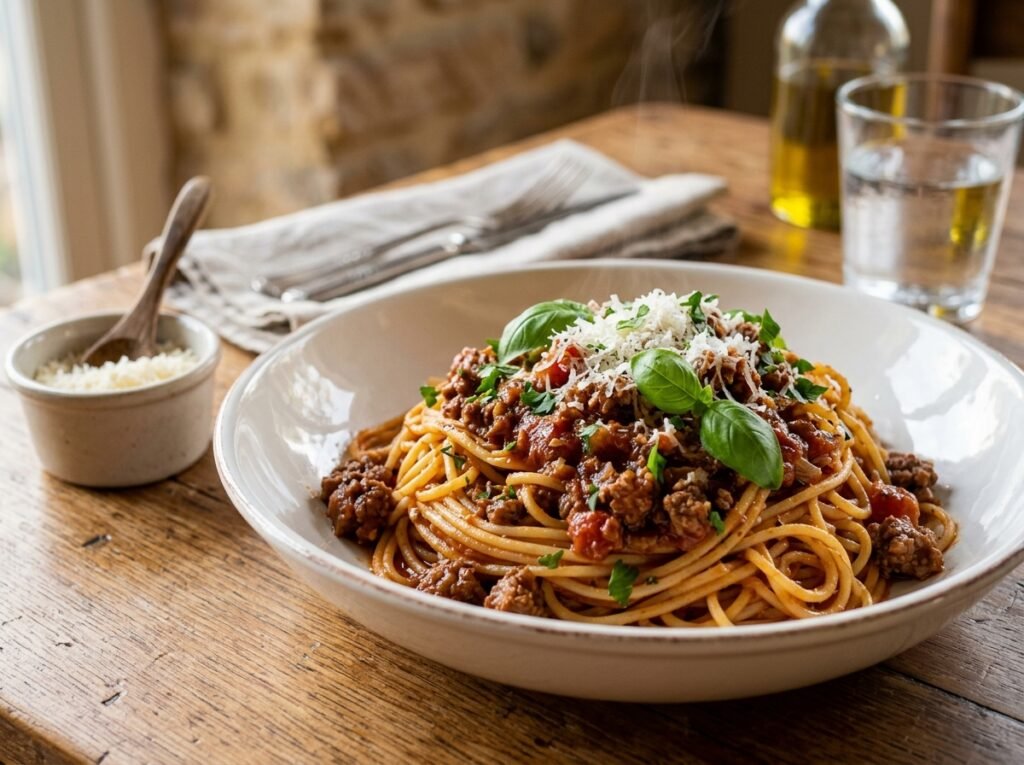
How to Store Leftover Spaghetti
If you have leftovers, allow the spaghetti and sauce to cool slightly before transferring them to an airtight container. Store them in the refrigerator and use within 3 to 4 days for the best quality.
You can store the sauce and pasta separately if you expect to have leftovers over several meals. This helps prevent the spaghetti from absorbing too much sauce and becoming overly soft.
How to Reheat Spaghetti with Meat Sauce
The microwave is the quickest option for reheating individual portions. Place the spaghetti in a microwave-safe bowl and cover it loosely. Heat in short intervals, stirring between each interval.
If the pasta appears dry, add a tablespoon or two of water or sauce before reheating.
For larger portions, reheat the spaghetti gently in a saucepan over medium-low heat. Add a small splash of water or broth and stir occasionally until heated through.
Avoid overheating the pasta because excessive heat can make the spaghetti soft and cause the sauce to become too thick.
Can You Freeze Homemade Meat Sauce?
Yes. Homemade meat sauce freezes very well, making this recipe excellent for meal preparation.
Allow the sauce to cool completely, then transfer it into freezer-safe containers or bags. Leave a little space for expansion and label the container with the date.
For the best quality, use frozen meat sauce within approximately 3 months.
When ready to use it, thaw the sauce overnight in the refrigerator and reheat it gently on the stovetop. You can also reheat frozen sauce directly in a saucepan over low heat, stirring frequently as it melts.
Why You Should Freeze the Sauce Instead of the Pasta
Although cooked spaghetti can technically be frozen, the texture may become softer after thawing and reheating. Meat sauce generally freezes with much better results.
A convenient meal-prep strategy is to make a large batch of sauce, freeze it in individual portions, and cook fresh spaghetti whenever you need a quick dinner.
Make-Ahead Spaghetti Dinner
This recipe is ideal for preparing ahead of time. You can make the meat sauce one or two days before serving and keep it refrigerated in an airtight container.
When dinner time arrives, simply reheat the sauce while boiling fresh spaghetti. This reduces the amount of cooking required on busy evenings.
For larger gatherings, the sauce can also be prepared several hours in advance and kept warm over very low heat. Stir occasionally and add a small splash of water if necessary.
How to Make a Healthier Spaghetti Dinner
There are several easy ways to make this comforting meal lighter without sacrificing flavor.
- Use lean ground beef or ground turkey.
- Add extra vegetables such as mushrooms, zucchini, carrots, or bell peppers.
- Choose whole-wheat spaghetti for additional fiber.
- Use a moderate amount of Parmesan cheese.
- Serve the spaghetti with a large green salad or roasted vegetables.
- Control the amount of added salt by tasting the sauce before adding more.
You do not have to completely change the recipe to make a balanced meal. Increasing the vegetables and serving a reasonable portion of pasta can make a big difference.
Frequently Asked Questions
Can I make spaghetti sauce without tomato paste?
Yes. Tomato paste adds concentrated tomato flavor and body, but the sauce can still be made without it. If you omit it, allow the sauce to simmer a little longer so excess liquid can reduce naturally.
Can I use fresh tomatoes instead of canned tomatoes?
Yes, although canned tomatoes are convenient and provide consistent results throughout the year. If using fresh tomatoes, choose ripe, flavorful tomatoes and cook the sauce long enough for them to break down and thicken.
Why is my spaghetti sauce too acidic?
Tomatoes naturally contain acidity. Simmering the sauce longer can help mellow the flavor. You can also add a small amount of sugar or finely grated carrot. Add these gradually and taste as you go.
Why does my spaghetti sauce taste bland?
Bland sauce usually needs better seasoning or more developed flavors. Check the salt first, then consider adding garlic, Italian herbs, black pepper, Parmesan, or a small amount of tomato paste.
Should I rinse spaghetti after cooking?
For this recipe, no. Rinsing removes surface starch that helps the sauce cling to the pasta. Drain the spaghetti and immediately combine it with the sauce.
How much sauce should I use for spaghetti?
There is no exact rule because preferences vary. Start with enough sauce to coat the spaghetti generously, then add more if desired. A small amount of reserved pasta water can help achieve the right consistency.
Can I make the meat sauce ahead of time?
Absolutely. In fact, preparing the sauce ahead can improve the flavor because the ingredients have more time to blend together. Refrigerate it properly and reheat it gently before serving.
Can I use ground turkey instead of beef?
Yes. Ground turkey is an easy substitute. Because it is usually leaner than beef, adding a little olive oil and using flavorful herbs and seasonings will help keep the sauce rich and satisfying.
Expert Tips for the Best Homemade Spaghetti
- Brown the meat properly. Do not overcrowd the pan, and allow the beef to develop some color.
- Cook the aromatics. Onion and garlic provide the foundation of the sauce.
- Toast the tomato paste. A short cooking period deepens its flavor.
- Simmer gently. Low and slow cooking creates a more balanced tomato sauce.
- Season gradually. Taste throughout the cooking process rather than adding all the salt at once.
- Cook pasta al dente. Slightly firm spaghetti holds its texture better when combined with hot sauce.
- Reserve pasta water. The starchy water is useful for adjusting the sauce consistency.
- Finish the pasta in the sauce. Tossing everything together helps distribute flavor evenly.
- Use fresh Parmesan. Freshly grated cheese provides better flavor and texture.
- Serve immediately. Spaghetti is at its best while the pasta and sauce are hot.
Final Thoughts
Classic spaghetti with homemade meat sauce is a timeless dinner for good reason. It combines simple ingredients with straightforward cooking techniques to create a meal that is rich, comforting, and easy to share.
The secret is building flavor in stages. Brown the beef, soften the onion and garlic, cook the tomato paste, add quality tomatoes, and give the sauce enough time to simmer. Then toss the al dente spaghetti with the finished sauce and add freshly grated Parmesan for the perfect finishing touch.
Once you make this recipe a few times, you can easily adapt it to your family’s preferences. Add vegetables, increase the spice, change the meat, or make a large batch of sauce for future meals. It is a dependable homemade dinner that can become a regular favorite in any kitchen.
Classic Spaghetti with Meat Sauce Recipe Summary
- Prep Time: 15 minutes
- Cook Time: 35–45 minutes
- Total Time: About 50–60 minutes
- Servings: 4–6
- Difficulty: Easy
- Cuisine: Italian-inspired
- Main Ingredients: Spaghetti, ground beef, tomatoes, onion, garlic, tomato paste, Italian herbs, Parmesan